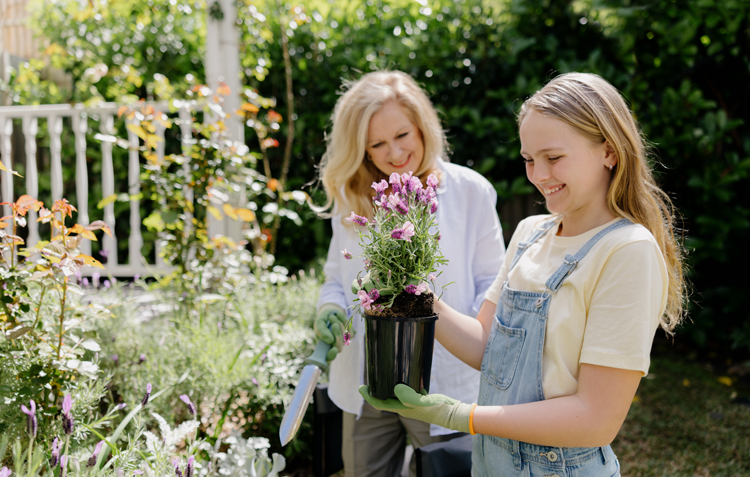

A spring garden reset is the round of clean-up, pruning, feeding and planting that sets your garden up for the whole growing year. Done in early spring, it clears out disease, wakes the soil, and gets plants growing strongly before the summer heat. This is my full checklist, in the order I work through it, so you can follow along whatever the size of your garden.
Early spring is such an exciting time in the garden. There is a lot to do, but it is all so enjoyable that it never feels overwhelming. I actually feel grateful that spring has finally arrived. — Ben Hayman
Quick answer: Start your spring reset in early spring (September in most of Australia). Work in this order: clean up debris and weeds, prune, divide crowded perennials, feed the soil and fertilise, mulch 50 to 75mm, check your irrigation, revive the lawn, refresh the veggie beds and pots, then plant. Get it done before the summer heat and the whole garden benefits.
Table of contents
• Where do you start? Clean-up and tidy
• What should you prune in spring?
• Should you divide your plants now?
• How do you feed the soil, fertilise and mulch?
• Check your irrigation and water deeply
• How do you revive your lawn for spring?
• The vegetable garden and what to plant
• Pests, disease, pots and colour
• Common spring gardening mistakes to avoid
• Frequently asked questions
Where do you start? Clean-up and tidy
Start with a good clean-up, because a tidy garden is easier to work in and far healthier. Clearing debris, old fruit and weeds now removes the fungal diseases and pests that overwinter in your garden, before they get a chance to spread in the warm weather ahead.
• Remove fallen branches and rake up old leaves. They can harbour fungal disease and block light from the plants below.
• Pick up any rotten fruit still on the trees or lying on the ground, so it can't harbour pests and disease.
• Empty old pots full of weeds or dead plants and set them aside for a refresh.
• Clean paths and hard surfaces with a pressure washer or a product like Wet & Forget.
• Wash down outdoor furniture, and re-oil it if it is timber.
• Weed now, before they set seed and spread. This one job saves you hours later in the season.
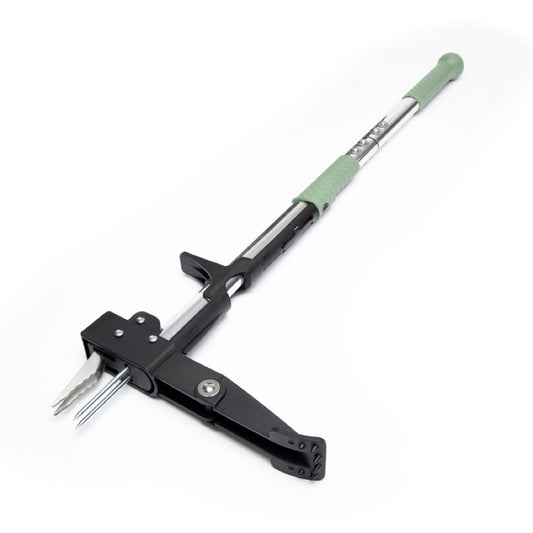
For deep-rooted weeds like dandelion, thistle and dock, the Hoselink Stand-up Weed Puller pulls the entire tap root out of lawns and beds. It is also great for beginners or anyone less mobile, because there is no bending over.
Finally, cut a fresh edge between your lawn and garden beds with a spade. Crisp edges instantly make a garden look maintained, stop grass creeping into the beds, and make mulching much tidier.

What should you prune in spring?
In early spring, prune out dead, damaged and diseased growth, and cut back your herbaceous perennials before they surge into new growth. Good pruning improves airflow and shape and removes hiding spots for pests and disease. Just be careful not to prune spring-flowering shrubs before they bloom.
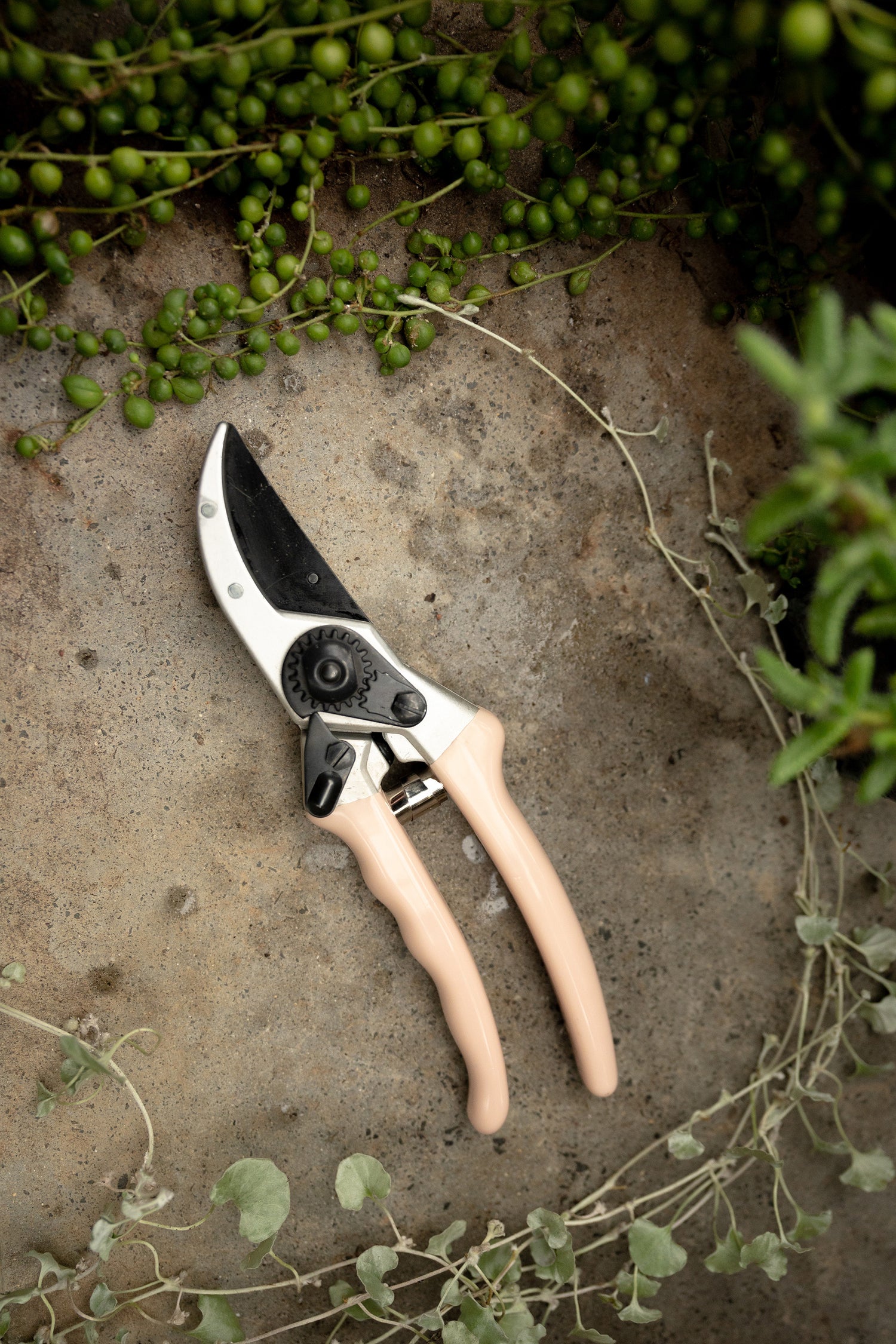
Before you start, make sure your secateurs are sharp and clean. Sharp blades make cleaner cuts that heal faster, and wiping the blade with methylated spirits between plants stops you spreading disease from one to the next. A good pair of secateurs and garden tools makes the whole job quicker and kinder to the plant.
On your trees and shrubs, remove:
• Dead wood, diseased branches and broken stems.
• Crossing branches that rub against each other.
• Frost-damaged growth from over winter.
• Any out-of-place branches, such as low-hanging ones or branches blocking a path.
If you haven't already, cut back all your herbaceous perennials now, things like salvia, penstemon, catmint and ornamental grasses, and put the prunings in the compost. One important exception: avoid heavy pruning of spring bloomers like azaleas and camellias before they flower, or you will cut off the display.
Should you divide your plants now?
Yes, early spring is the perfect time to divide clumping plants, whether you want to thin out a crowded bed, rejuvenate tired plants or simply get free plants for elsewhere. Division gives plants room to grow and multiplies your stock at no cost.
Not every plant can be divided, so a simple rule of thumb helps. If the base has a single stem or is woody, like a rose, it cannot be divided. If the base has multiple stems and is fleshy, like salvia, lamb's ear or penstemon, it can. Ornamental grasses in particular divide beautifully.
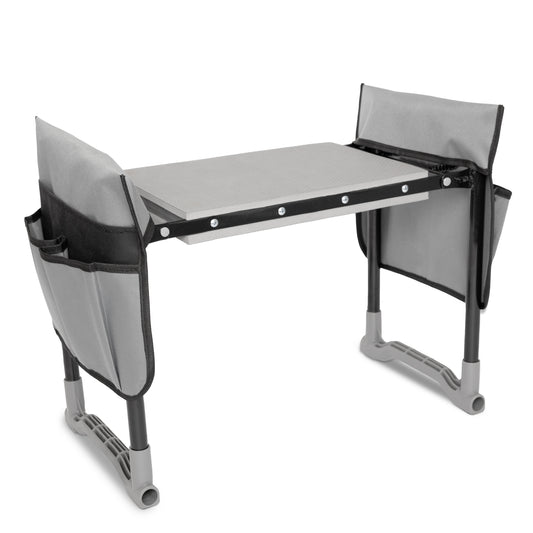
Folding Garden Kneeler & Seat with Tool Pouches
How do you feed the soil, fertilise and mulch?
Feed the soil first, then fertilise your plants, then mulch over the top. Doing all three in early spring means the nutrients are ready and waiting as plants wake up from winter and start growing. Healthy soil is the foundation of every healthy plant.
• Feed the soil. Add compost and aged manure to feed the soil microbiology, improve moisture retention and encourage worms.
• Fertilise everything. Use a slow-release organic fertiliser so it feeds steadily as plants grow. Liquid feeds give a quick boost, but they are used up quickly, so treat them as a top-up rather than the main event.
• Mulch well. Add 50 to 75mm of a woodchip or straw-based mulch to suppress weeds, moderate soil temperature, hold moisture and feed the microbes as it breaks down.
Mulch earns its keep on water alone. According to Sydney Water, applying 7 to 10 centimetres of mulch around plants can save up to 70% of the water otherwise lost through evaporation. Keep mulch clear of plant stems, though, as piling it against the stem traps moisture and causes collar rot.
Check your irrigation and water deeply
Turn your irrigation back on for the season and check the whole system before you rely on it. After a winter off, it is common to find breakages, blocked drippers or spots that no longer get water. Walk the system while it runs, look for leaks and dry patches, and adjust as needed.
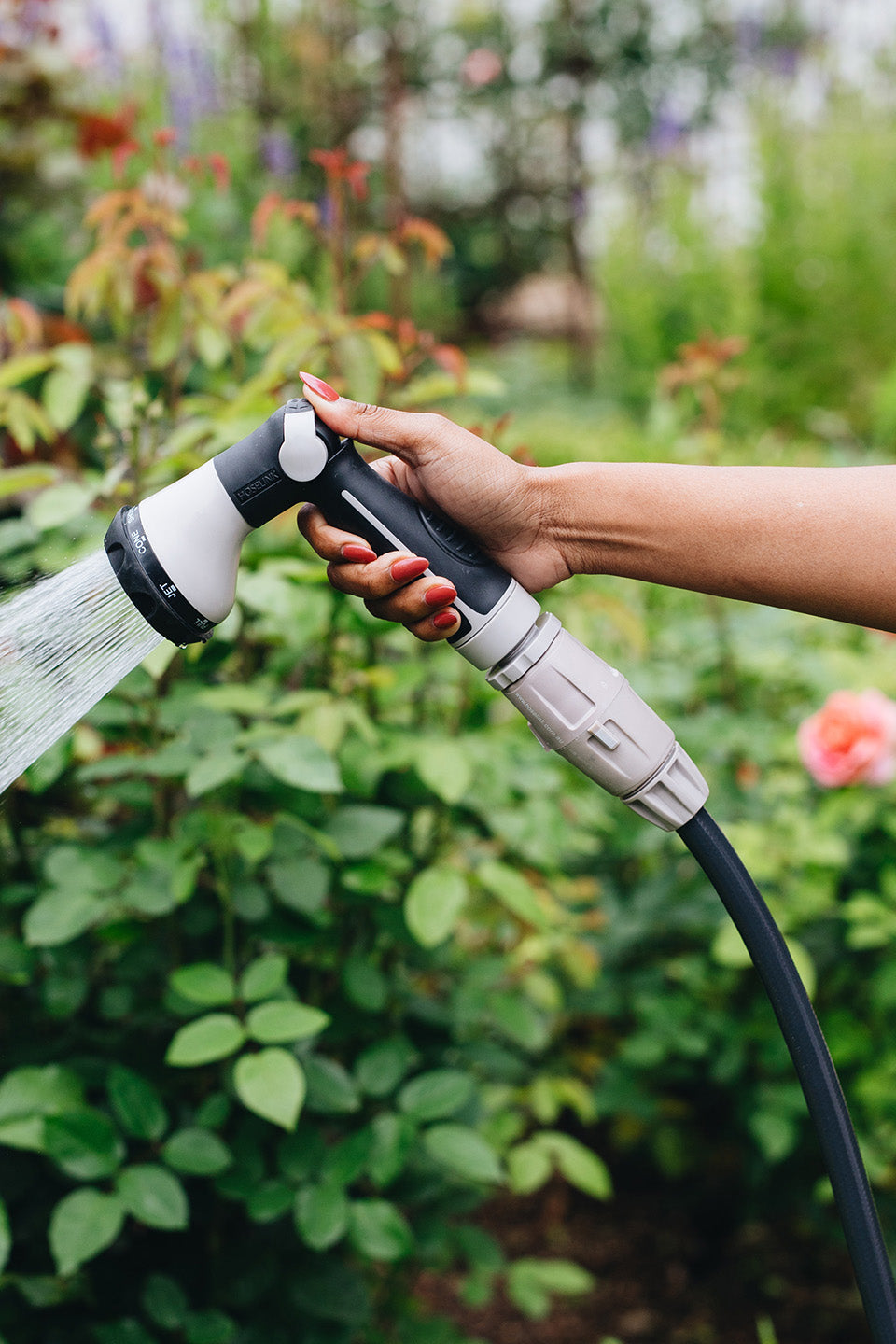
Whatever you water with, water deeply and less often rather than a little and often. Deep soaking encourages roots to grow down and makes plants far more resilient in summer. A soaker or weeper hose on a tap timer makes deep, consistent watering effortless. For the full method, see when you should water your garden.
How do you revive your lawn for spring?
Spring is when lawns wake up, so a little work now brings them back thick and green. Rake out the dead grass, relieve compaction, feed, and start mowing more often as growth speeds up. The goal is to encourage strong, deep roots rather than soft, shallow growth.
1. Rake out dead grass and thatch.
2. Aerate compacted areas to get air and water to the roots.
3. Top-dress uneven or low patches to level them out.
4. Overseed thin or bare areas.
5. Apply a slow-release lawn fertiliser.
6. Increase mowing frequency as growth picks up, and never remove more than one-third of the leaf in a single mow.
As with the garden beds, water the lawn less often but more deeply to build a stronger root system.
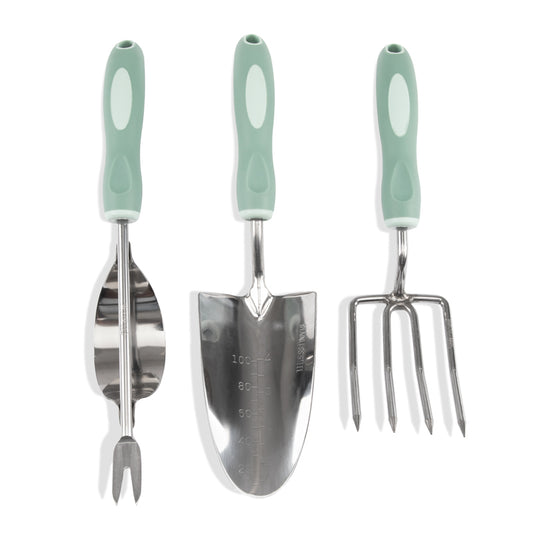
Garden Fork, Trowel and Weeder Set

Lightweight Bamboo Garden Gloves
The vegetable garden and what to plant
Give the veggie patch a fresh start, then get planting, because spring is the biggest sowing window of the year. Clear out old winter crops, spent stakes and weeds, then rebuild the beds with compost, blood and bone, an organic fertiliser and worm castings before you plant.
There is a huge range you can plant in spring. Vegetables include:
Tomatoes, capsicum, chillies, eggplant, cucumbers, zucchini, pumpkin, sweet corn, beans, beetroot, carrots, lettuce, spring onions, silverbeet, spinach, rocket and celery.
Herbs to sow now include basil, mint, thyme, oregano, parsley, chives, dill, sage and plenty more.

Pests, disease, pots and colour
Get on top of pests and disease early, refresh your pots, and add a splash of colour to finish. Early action on pests and disease is always easier and prevents a small problem becoming a major infestation.
Check plants for aphids, caterpillars, scale, snails and other pests, and for diseases like powdery mildew, black spot, leaf curl and rust. With disease, try thinning out growth to improve airflow before you reach for the sprays. For pots, replace old potting mix where you can, add slow-release fertiliser, check the drainage holes and repot anything rootbound. Always wear garden gloves when handling potting mix to protect your hands.
Finally, add some joy. Plant colourful annuals like pansies, primulas and lobelia near the front door, letterbox, outdoor areas or the veggie garden. They lift the whole space and attract pollinators. For more low-water colour, see our guide to the best drought-tolerant flowers.
Common spring gardening mistakes to avoid
Most spring setbacks come down to a handful of avoidable mistakes. These are the ones I see most often:
• Planting too close together, so plants never reach their full potential. Always check the mature size on the plant tag before you buy, as this trips people up constantly.
• Overwatering or underwatering, rather than watering deeply and less often.
• Leaving weeds too long and letting them go to seed.
• Ignoring pests until they become an infestation.
• Pruning everything at once, which leaves the garden bare and removes the homes of beneficial insects and birds.
• Planting full-sun plants in shade, or shade plants in full sun. Read the plant tags and follow them.
• Forgetting to mulch altogether.
• Mulching too close to the stems, which traps moisture and causes collar rot.
• Mulching too thickly, so water is absorbed by the mulch or runs off and never reaches the soil.
What we do now ensures the garden is as healthy and as strong as possible when the summer heat arrives. — Ben Hayman


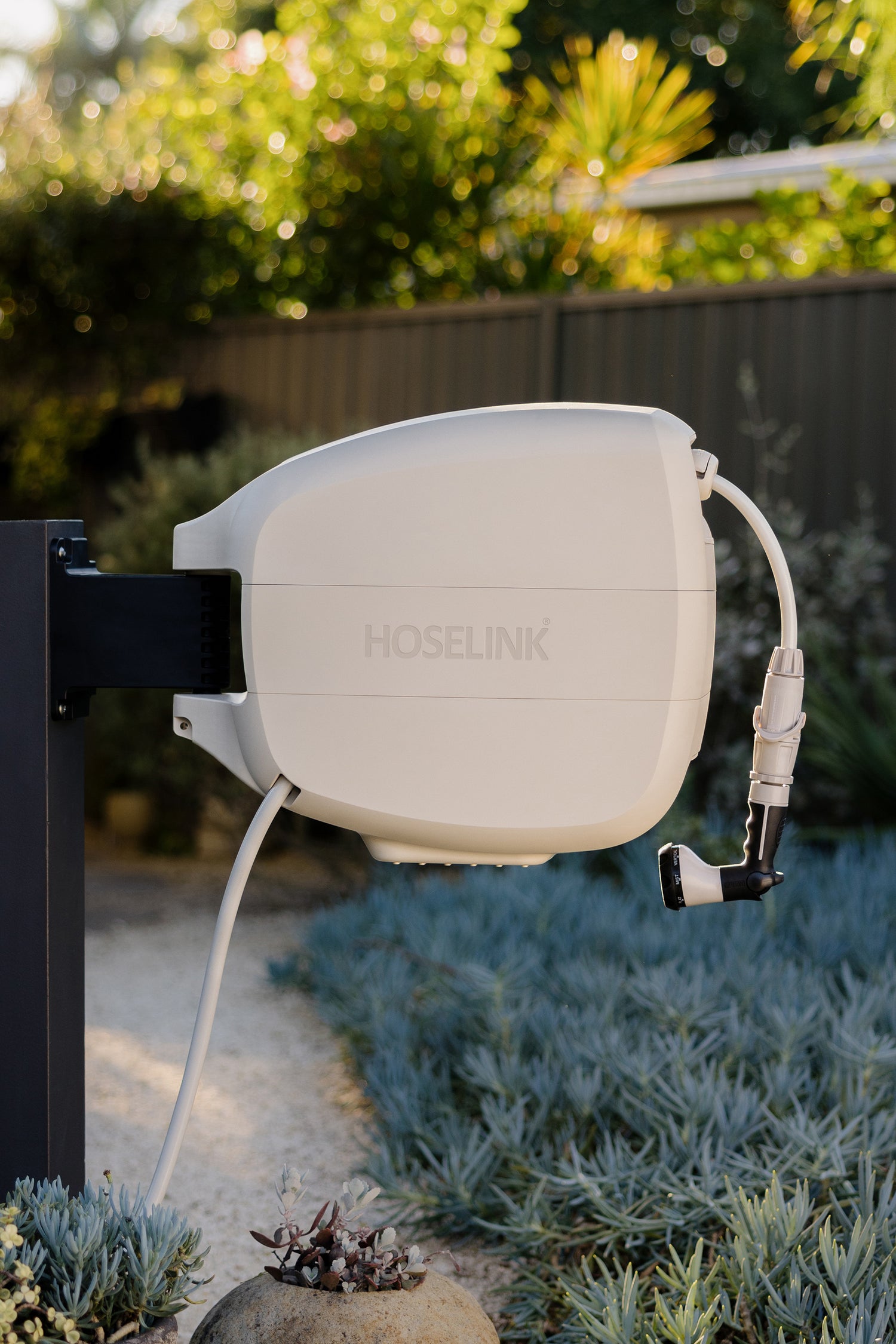
Evolve™ Retractable Hose Reel | Beige

Evolve™ Retractable Hose Reel | Charcoal
Frequently asked questions
When should I start my spring garden reset in Australia?
Start in early spring, which is September in most of Australia, once the worst of the frosts have passed. Getting the clean-up, feeding and mulching done early means plants are growing strongly before the summer heat arrives. In cooler zones, wait until the frost risk has clearly eased.
What should I prune in early spring?
Prune out dead, diseased, broken and crossing branches, plus any frost-damaged or out-of-place growth, and cut back herbaceous perennials like salvia, penstemon and ornamental grasses. Avoid heavy pruning of spring bloomers such as azaleas and camellias until after they flower, or you will lose the display.
What fertiliser should I use in spring?
Use a slow-release organic fertiliser so nutrients feed plants steadily as they grow. Feed the soil as well with compost and aged manure to support worms and soil life. Liquid feeds are useful for a quick boost, but they are used up quickly, so treat them as a top-up.
How much mulch should I use?
Apply 50 to 75mm of a woodchip or straw-based mulch to suppress weeds, hold moisture and moderate soil temperature. Keep it clear of plant stems to avoid collar rot, and don't lay it so thick that water can't soak through to the soil.
What can I plant in spring?
Spring is the biggest planting window of the year. Sow tomatoes, capsicum, chillies, eggplant, cucumbers, zucchini, pumpkin, sweet corn, beans, beetroot, carrots, lettuce, spinach and more, plus herbs like basil, parsley, coriander and chives. Check your local timing for your climate zone.
Can I divide any plant?
No. As a rule, plants with a single woody stem, like roses, cannot be divided, while plants with multiple fleshy stems, like salvia, lamb's ear and penstemon, can. Ornamental grasses are especially good candidates for division in early spring.
Work through the list at your own pace, and your garden will thank you all summer. To gear up for the season, browse our gardening tools and watering range, from the Stand-up Weed Puller to tap timers and soaker hoses.