
Liquid fertiliser feeds the plant, seaweed solution strengthens the plant, and soil conditioner improves the soil. They come in similar bottles and get lumped together, but they do completely different jobs, and one of the biggest misconceptions in gardening is that they're interchangeable. Here is what each one actually does, what it doesn't, and how to get the best from all three.
I always say fertiliser is the food, seaweed solution is the medicine, and soil conditioner improves their home. — Ben Hayman
Quick answer: Liquid fertiliser is fast food for plants, giving readily available nutrients for quick growth. Seaweed solution is a tonic, not a fertiliser, that helps plants cope with stress like heat, frost and transplant shock. Soil conditioner improves the soil itself over time. They aren't substitutes for each other, and a healthy garden often uses all three.
Table of contents
• What's the difference between the three?
• What is a liquid fertiliser and what does it do?
• What is a seaweed solution and what does it do?
• What is a soil conditioner and what does it do?
• Can you use all three together?
• Common mistakes to avoid
• Frequently asked questions
What's the difference between the three?
The simplest way to remember it: liquid fertiliser feeds the plant, seaweed solution strengthens the plant, and soil conditioner improves the soil. Each targets a different part of the growing system, so they work best as a team rather than as alternatives. This table sums it up.
|
Product |
What it does |
Best used for |
What it won't do |
|
Liquid fertiliser |
Feeds the plant fast with readily available nutrients |
Actively growing plants, pots, vegetables and annuals, quick boosts |
Improve soil, build structure or boost microbes |
|
Seaweed solution |
Strengthens the plant; a tonic that helps it cope with stress |
Transplant shock, heat, frost, drought, recovery after pruning or pests |
Feed the plant, or drive lush green growth (very low nutrients) |
|
Soil conditioner |
Improves the soil itself over time |
Building structure, water retention or drainage, microbes and worms |
Feed the plant, give instant growth, or replace fertiliser |

What is a liquid fertiliser and what does it do?
A liquid fertiliser is essentially fast food for your plants. It contains nutrients that are already dissolved in water, so roots and leaves can absorb them much faster than granular feeds. That makes it a quick nutrient boost, ideal for plants that are actively growing or need help fast.
The benefits are why it's a staple:
• Fast acting and easy for plants to absorb.
• Encourages lush green growth, and promotes flowering and fruiting.
• Excellent for vegetables, annual flowers, pots and hanging baskets.
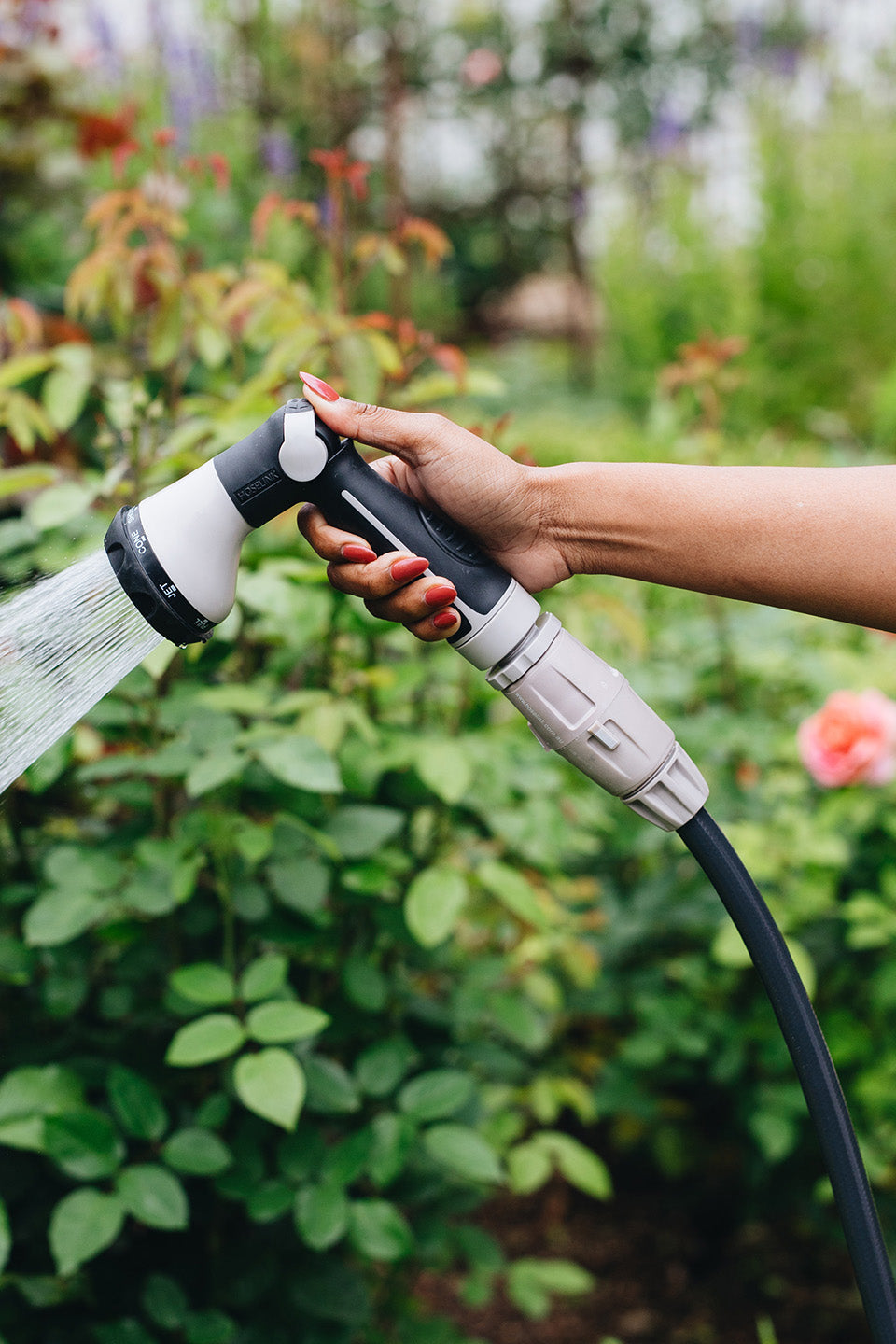
• Easy to apply with a watering can or a hose-on sprayer.
Use it during spring and summer, every few weeks while plants are actively growing, after heavy rain has washed nutrients away, when plants look tired or pale, and through flowering and fruiting. One warning for pots and baskets: a mix made too strong can kill plants quickly, so always follow the instructions.
What liquid fertiliser doesn't do is just as important. It doesn't improve your soil, build soil structure or increase microbial activity, and it is not a replacement for compost or mulch. It feeds the plant, not the soil.
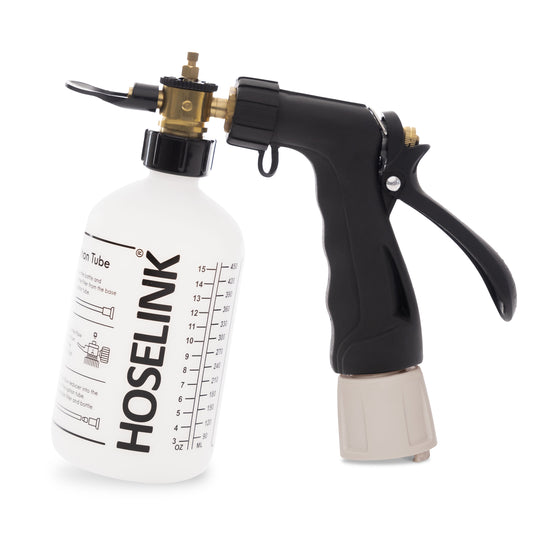
Fertiliser Spray Mixer

What is a seaweed solution and what does it do?
This is where a lot of gardeners get caught out: seaweed solution is not a fertiliser. Most contain only very small amounts of nutrients. Instead, think of it as a natural plant tonic, or as I like to call it, medicine. Its job is to help the plant become stronger rather than to feed it.
A good seaweed solution will:
• Reduce transplant shock and encourage stronger root growth.
• Help plants cope with heat and improve drought tolerance.
• Help plants recover from frost, and reduce stress after pruning.
• Assist recovery after pest or disease damage.
So if you're moving plants, planting into a hot spell, or nursing something back after a setback, seaweed solution is the one to reach for. Just don't expect it to green things up, because that isn't its job.
What is a soil conditioner and what does it do?
A soil conditioner doesn't feed the plant either. Its job is to improve the soil itself, and as every gardener knows, healthy soil grows healthy plants. It is a long-term investment rather than a quick fix.
A good soil conditioner can:
• Improve soil structure, and increase water retention in sandy soils.
• Improve drainage in heavy clay soils.
• Encourage beneficial microbes and feed earthworms.
• Increase organic matter and improve nutrient availability.
• Build healthier root systems over time.
Common soil conditioners include compost, worm castings, humic acid, fulvic acid, biochar and other organic soil improvers. What they won't do is give instant green growth or replace fertiliser. They're a long-term investment in healthier soil.
Better soil also holds water better, which pays off all summer. Organic matter and mulch work hand in hand here: according to Sydney Water, applying 7 to 10 centimetres of mulch around plants can save up to 70% of the water otherwise lost through evaporation, while conditioners improve the soil's own ability to hold moisture.


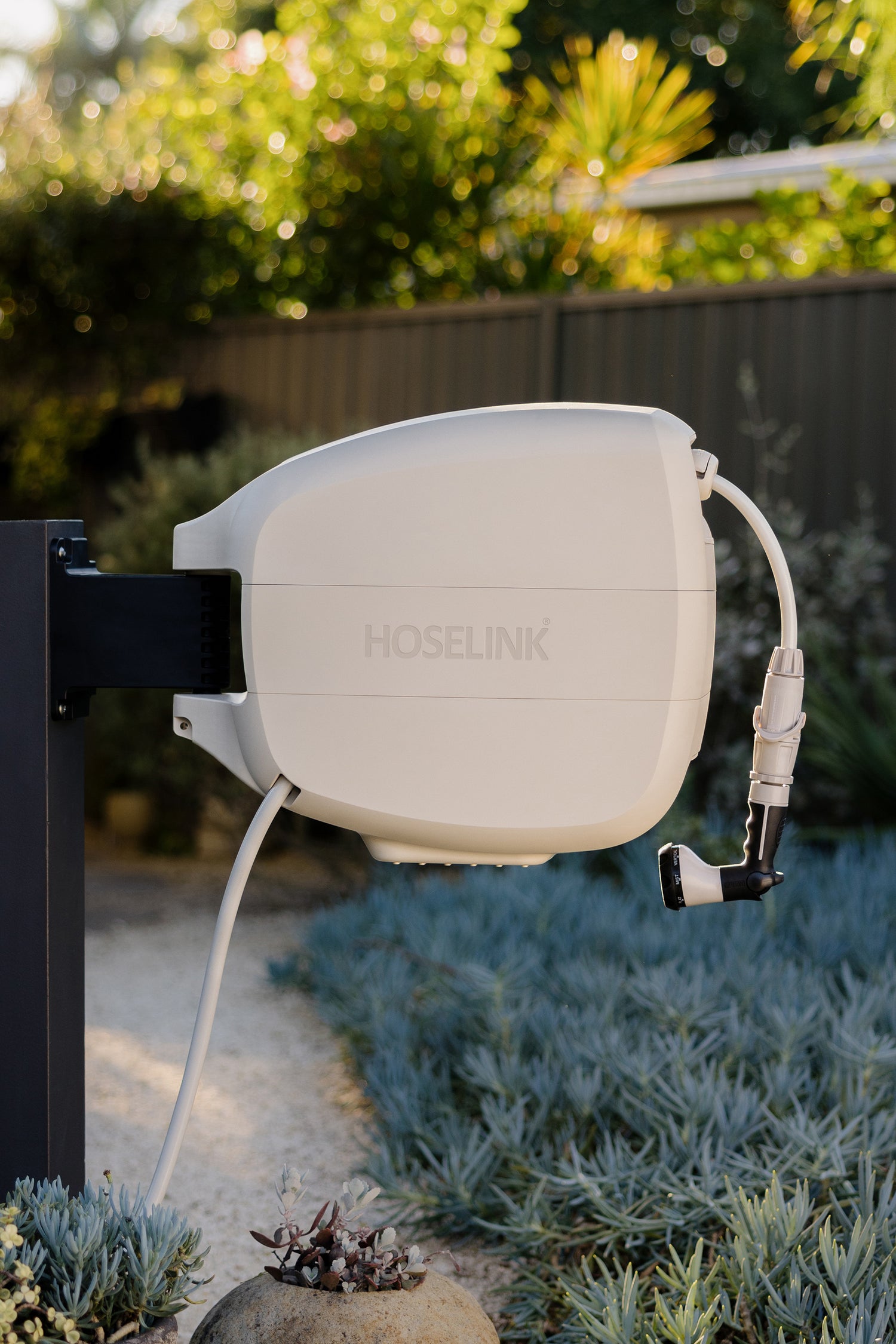
Evolve™ Retractable Hose Reel | Beige

Evolve™ Retractable Hose Reel | Charcoal
Can you use all three together?
Absolutely, and that's where the magic happens. A healthy garden often benefits from all three, because each covers a job the others can't. Used together, they feed, protect and build at the same time.
• Feed the plant with a liquid fertiliser during active growth.
• Help it cope with stress using a seaweed solution around transplanting, heat, frost or recovery.
• Build healthier soil with a quality soil conditioner over the seasons.
I love liquid fertilisers for their ease of use and quick impact, but they shouldn't be used alone. Slow-release pellet fertilisers should still be the backbone of your fertilising. — Ben Hayman
A liquid feed is easy to apply through a hose-on sprayer from our watering range, and pairs well with a slow-release pellet feed as your base. For more on feeding through the seasons, see the ultimate spring garden reset.
Common mistakes to avoid
Most problems come from expecting one product to do another's job. Watch for these:
• Using seaweed solution and expecting big green growth. It strengthens, it doesn't feed.
• Reaching for liquid fertiliser on stressed or drought-affected plants before addressing the stress. Ease the stress first, often with a seaweed solution and a deep water.
• Forgetting that healthy soil is the foundation of a healthy garden, and skipping conditioners.
• Thinking more fertiliser means more growth. Always follow the instructions, because the alternative can be fatal to the plant.

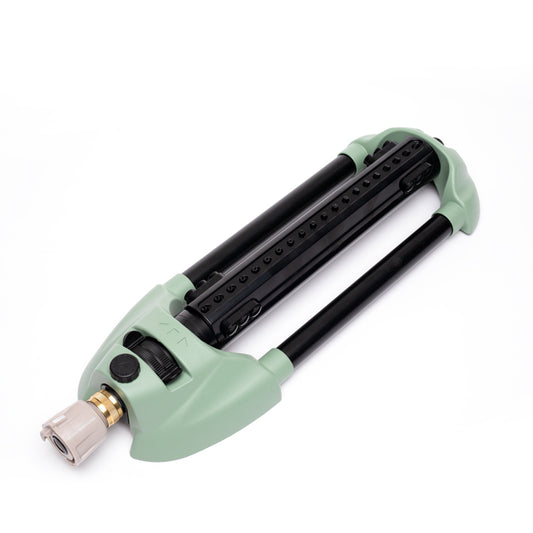
Oscillating Sprinkler
Frequently asked questions
Is seaweed solution a fertiliser?
No. Seaweed solution is a plant tonic, not a fertiliser. Most contain only very small amounts of nutrients. Their role is to strengthen plants and help them cope with stress like transplant shock, heat, frost and recovery after pruning or pests, rather than to feed them or drive green growth.
What's the difference between liquid fertiliser and a soil conditioner?
Liquid fertiliser feeds the plant directly with fast-acting nutrients for quick growth. A soil conditioner feeds the soil, improving structure, drainage, water retention and microbial life over time. Fertiliser gives a fast result; a conditioner is a long-term investment that won't green plants up on its own.
Can I use liquid fertiliser, seaweed solution and soil conditioner together?
Yes. They do different jobs and work well as a team. Feed the plant with liquid fertiliser during active growth, use seaweed solution to help it handle stress, and build the soil with a conditioner over the seasons. Just follow the label rates for each.
How often should I use liquid fertiliser?
Every few weeks while plants are actively growing through spring and summer, plus after heavy rain that has washed nutrients away, or when plants look tired or pale. Keep slow-release pellets as your backbone feed and use liquid fertiliser as the quick boost in between.
Will seaweed solution help a stressed or wilting plant?
Yes, that is exactly what it is for. Seaweed solution helps reduce transplant shock and supports recovery from heat, frost, drought, pruning and pest or disease damage. Address the underlying stress first, such as deep watering a dry plant, then use seaweed solution to help it bounce back.
Get the roles right and your whole garden benefits: feed with fertiliser, strengthen with seaweed, and build the soil beneath it. A hose-on sprayer from our watering range makes applying liquid feeds and tonics quick and even.