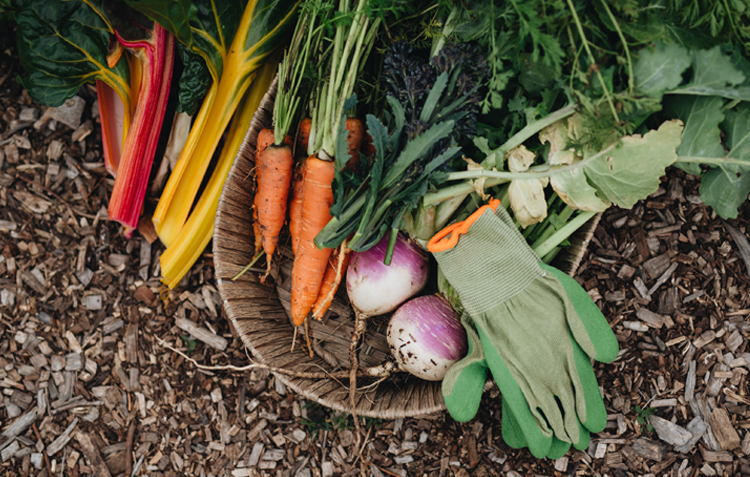

With the cooler months approaching, getting your garden beds ready is the secret to a thriving harvest. Healthy soil makes a huge difference because winter veggies grow much slower than summer crops.
To prepare your winter veggie bed, you must start with soil preparation before planting anything. Loosen compacted soil, mix in rich organic matter like compost and aged manure, and apply a thick layer of mulch to regulate soil temperature.
"Now the lawns and hedges aren’t taking up every spare minute you have, it’s a great time to slow down and reflect on the successes and failures of the garden over the last 12 months, and plan for the future." - Ben Hayman, Hoselink Horticulturist.

Why is winter soil preparation so important?
Winter soil preparation is vital because heavy winter rain can wash soil nutrients away quickly. Adding rich organic matter helps the soil hold both nutrients and moisture, giving your slow-growing winter crops a steady food supply.
"By improving your beds with composts and manures, you are bringing the soil to life. The microbes in the soil will absolutely love you for it and repay you tenfold, with healthier plants and higher yields." - Ben Hayman, Hoselink Horticulturist.
Winter is also the perfect season for long-term garden prep. Beyond planting, you can build compost, make leaf mould, check and adjust your soil pH, repair irrigation, start seed trays, or even plant a green manure crop to naturally improve your soil structure.


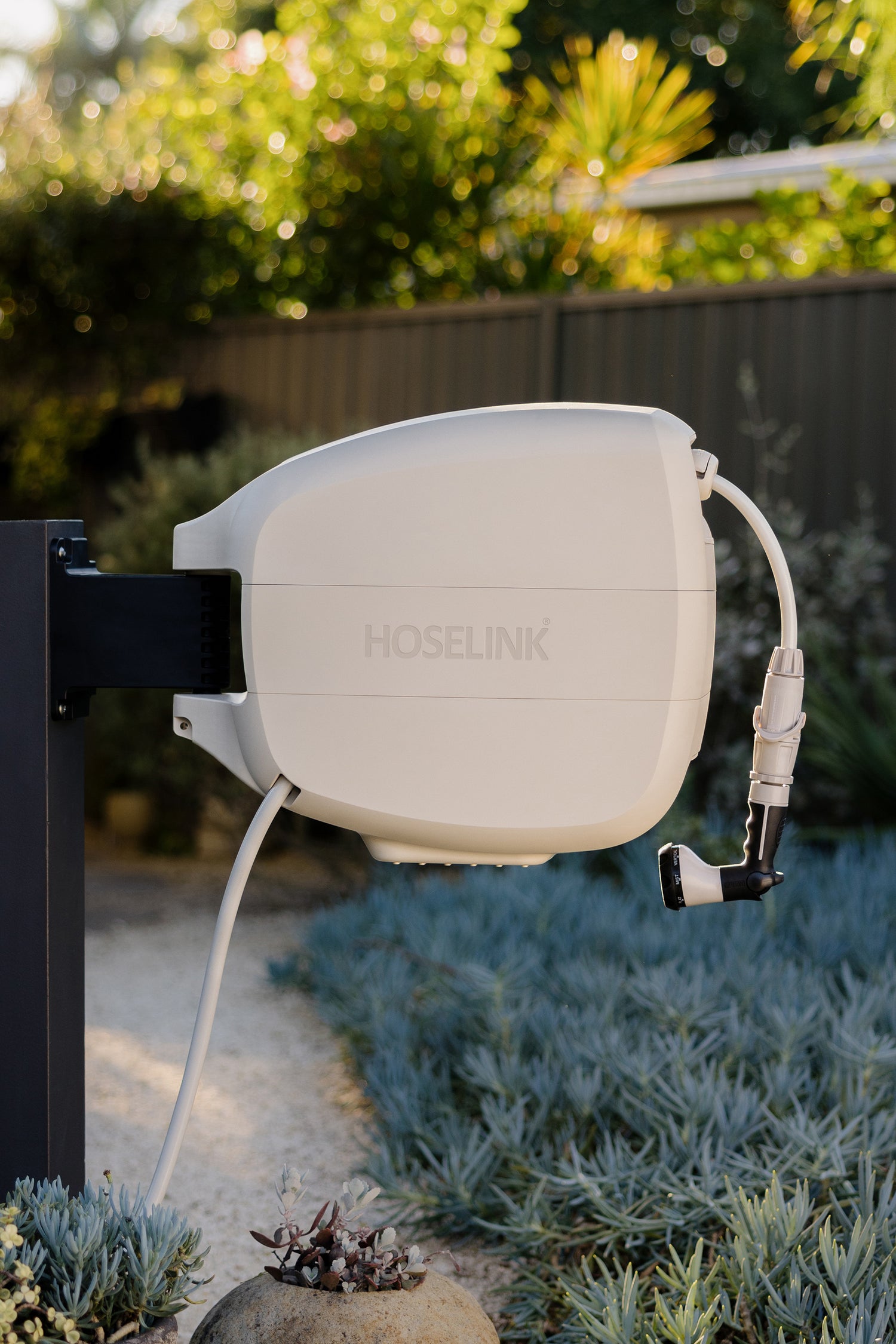
Evolve™ Retractable Hose Reel | Beige
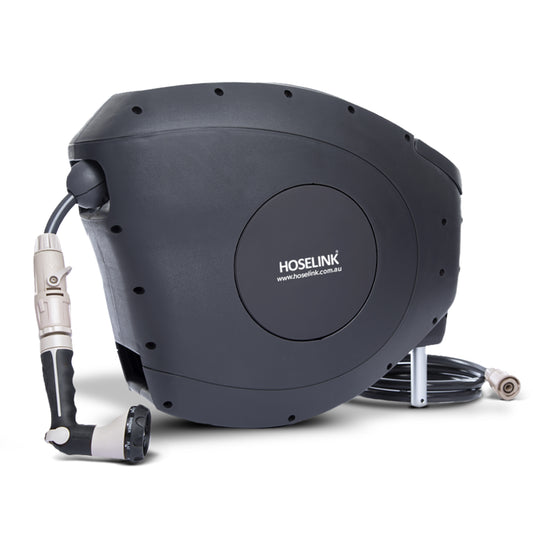
Classic 30m Retractable Hose Reel | Charcoal
How to prep your veggie bed for winter planting
1. Loosen compacted soil
Before planting, break up hard dirt to give roots room to breathe. If your soil is heavy clay, add gypsum and compost to improve drainage, because cold, wet roots can easily rot in winter.
2. Mix in organic matter
Enrich the soil by mixing through compost, aged manure, worm castings, blood and bone, or pelletised manure. Vegetables pull nutrients from the soil very quickly, so replenishing them is essential.
3. Set up raised beds (optional)
Raised beds can help soil warm up faster in the mornings. They also drastically improve drainage through wet weather.
4. Apply a thick layer of mulch
Mulching is super important. Sugar cane, straw, or leaf mulch helps regulate soil temperature, protects soil biology, and stops weeds from taking over while plant growth slows down.

What are the best winter vegetables to plant in Australia?
The best winter vegetables to plant include broccoli, cauliflower, cabbage, kale, spinach, and root vegetables like carrots and beetroot. Choose vegetables that thrive in cold weather, as summer crops will struggle once temperatures drop.
Interestingly, vegetables actually taste better after cold nights and light frosts. Root vegetables usually become sweeter in winter because the cold weather converts their starches into sugars. Leafy greens also tend to be less bitter and will bolt slower than they do in warmer weather.
Great winter crops include:
- Broccoli, Cauliflower, Cabbage, and Kale
- Silverbeet, Spinach, and Lettuce
- Peas and Broad beans
- Garlic, Onions, and Leeks
- Beetroot, Carrots, and Radish
- Coriander and Parsley
How much sunlight do winter veggies need?
Winter veggies need at least 5 to 6 hours of direct sunlight to grow well. Sunlight is super important in winter because the sun sits lower in the sky, meaning gardens that get full sun in summer can suddenly become shady.
Before planting, check where sunlight falls during the middle of the day. If large trees, fences, or buildings create new shadows, move your pots or plant shorter crops in the brightest spots available.

Lightweight Bamboo Garden Gloves
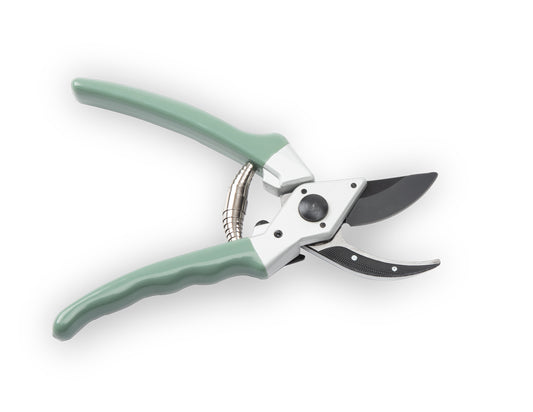
How to protect winter crops from frost and cold weather
The cold itself usually isn’t the biggest problem; it’s the combination of wet soil, frost, and icy winds. Protect vulnerable young seedlings using frost cloth, old sheets, or a mini hoop tunnel on freezing nights, but remember to remove them in the morning.
This extra protection is a great help in places like the ACT, Victoria, and southern NSW where frosts are common. Strong winter winds can dry out leaves and slow growth dramatically, so setting up temporary windbreaks or planting near sheltered fences makes a big difference. Grouping pots together can also protect plants and hold warmth overnight by creating a mini microclimate.
Keep in mind that winter crops use far less moisture than summer crops, so don’t overwater. Give them a liquid feed every few weeks for a quick hit of nutrients to keep them resilient, and stay on top of pests like snails, slugs, and aphids, which can quietly explode in numbers during damp weather.

Common veggie bed mistakes to avoid
Avoiding a few common mistakes will keep your winter garden healthy and productive. The biggest error is failing to improve your soil between crops, which leaves new seedlings without enough nutrients to thrive.
| The Mistake | Why It Harms Your Garden | The Fix |
| Using poor quality soil | Raised beds easily become compacted, drain badly, and lack nutrients. | Fill beds with rich, loose, compost-heavy soil. |
| Forgetting drainage | Waterlogged roots quickly lead to rot, fungus, and stunted growth. | Add gypsum to clay soils and avoid overwatering. |
| Overplanting | Crowded beds increase disease, pests, and competition for light and airflow. | Space seedlings according to packet instructions. |
| Ignoring crop rotation | Growing the same family in the same spot increases pests and depletes soil. | Rotate crop families each season. |
| No mulch | Bare soil dries out faster, grows weeds, and swings in temperature. | Apply a thick layer of straw or sugar cane mulch. |
Frequently Asked Questions (FAQ)
When should I prepare my winter veggie garden?
You should prepare your winter garden before planting any seedlings, ideally in late autumn. Loosen the soil, add compost, and fix any drainage issues so the beds are ready before the cold weather sets in.
Why are my winter vegetables rotting?
Winter vegetables usually rot due to a combination of heavy soil and overwatering. Veggie beds are often killed with kindness. Improve your drainage by adding compost, and remember that winter crops need far less water than summer crops.
Can I plant summer vegetables in winter?
No, planting the wrong veggies in the wrong season is a common mistake. Most summer crops will struggle and die once temperatures drop. Stick to cold-thriving plants like broccoli, cabbage, carrots, and spinach.

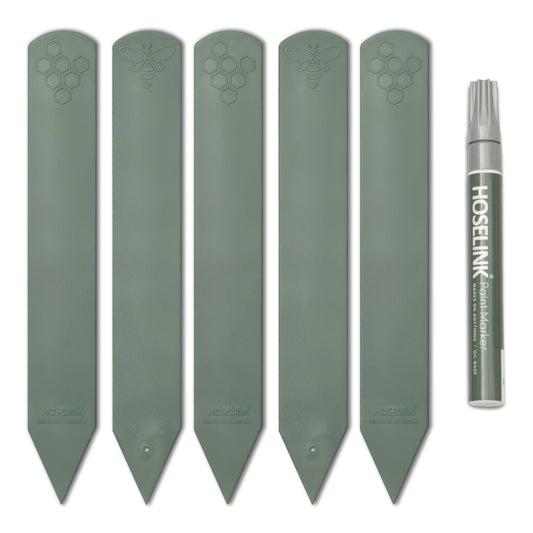
Recycled Plastic Plant Labels & Marker Pen Pack
Recycled Plastic Plant Labels & Marker Pen Pack
If you're planning your winter crop layout, making sure your watering system is ready for the season ahead is just as important. A Hoselink Retractable Hose Reel provides neat, kink-free watering perfect for those crisp winter mornings when your veggies need a light drink.