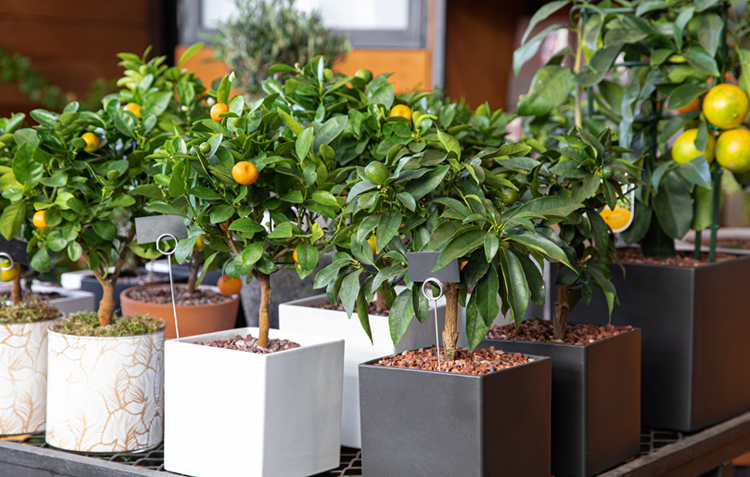
Dwarf trees are compact versions of standard trees that typically only grow to between 1.5 and 2.5 metres tall. This guide is for Australian gardeners who want to grow beautiful foliage or full-sized fruit in small courtyards, raised garden beds, or balcony pots.
Quick Answer
A dwarf tree is created by grafting a standard plant variety onto a specially selected dwarfing rootstock. This restricts the tree's overall height and width while allowing it to produce full-sized fruit or flowers. They thrive in large pots or small garden beds when given consistent watering and seasonal fertilising.

Table of Contents
- What exactly is a dwarf tree?
- Dwarf trees vs standard trees
- Best dwarf fruit trees for Australian climates
- How to plant and water a dwarf tree
- Frequently Asked Questions
What exactly is a dwarf tree?
A dwarf tree is a miniature version of a regular tree, usually created through the horticultural technique of grafting. The top part of the tree (the scion) dictates the fruit or flower type, while the bottom part (the rootstock) restricts the tree's growth. This ensures the tree stays small but still produces regular-sized yields.
Dwarf varieties offer the exact same fruit size and flavour as standard trees, just on a much smaller, manageable canopy. They are the ultimate space-savers for modern Australian housing.
Dwarf trees vs standard trees
Choosing between a dwarf tree and a standard tree comes down to your available space and your gardening goals. Standard trees provide excellent shade, while dwarf varieties are all about accessibility.
| Feature | Dwarf Trees | Standard Trees |
| Average Height | 1.5 to 2 metres | 4 to 10+ metres |
| Best Used For | Pots, courtyards, small gardens | Large backyards, shade |
| Fruit Production | Early fruiting, smaller overall yield | Takes longer to fruit, larger yield |
| Maintenance | Easy to prune and harvest without ladders | Requires ladders and heavy pruning |
Bottom line: If you have a small backyard or want to grow fruit in pots, dwarf trees are the superior choice for easy maintenance and harvesting.

Best dwarf fruit trees for Australian climates
Most popular fruit trees now come in a dwarf variety. When selecting a tree, you must consider your local climate zone. Choosing a tree suited to your specific region reduces watering needs and pest issues.
- Dwarf Citrus (Lemons, Limes, Mandarins): Perfect for warm, sunny spots across most of Australia. They do incredibly well in large terracotta pots.
- Dwarf Apples: Ideal for cooler temperate zones like Victoria and Tasmania. Many varieties require a second tree nearby for cross-pollination.
- Dwarf Stone Fruit (Peaches, Nectarines): Great for temperate to subtropical zones. Look for "multi-grafted" trees that grow two different fruits on the same trunk.
- Dwarf Native Trees: Dwarf Eucalyptus and Banksia varieties bring native birds to small suburban gardens without threatening underground pipes.
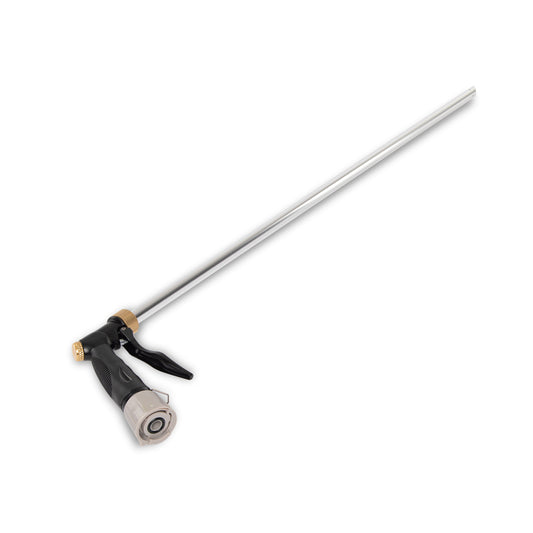
Root Waterer & Soil Breaker


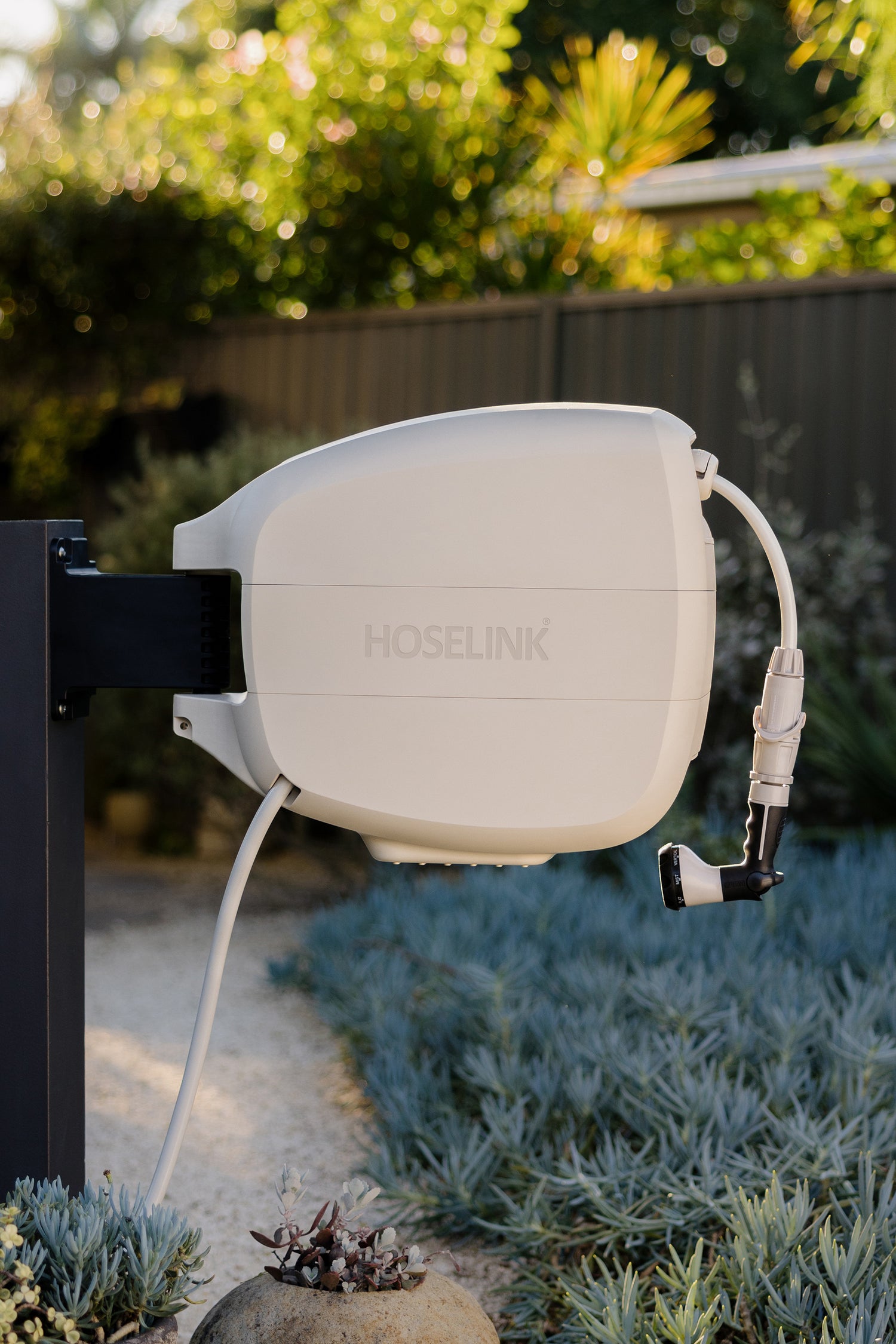
Evolve™ Retractable Hose Reel | Beige
How to plant and water a dwarf tree
Dwarf trees have smaller, shallower root systems than standard trees. This means they dry out faster in the Australian summer and require a consistent watering routine.
- Select the right spot. Choose a location that gets at least six hours of direct sunlight a day. If planting in a pot, ensure it has large drainage holes.
- Prepare the soil. Dig a hole twice as wide as the root ball. Mix in a healthy dose of organic compost and a slow-release fertiliser.
- Plant at the right depth. Place the tree in the hole, ensuring the graft union (the visible bump on the lower trunk) sits well above the soil line to prevent rot.
- Water deeply. Give the tree a thorough soaking immediately after planting to remove air pockets. For garden beds, using a sub-surface watering device like the Root Waterer & Soil Breaker delivers moisture straight to the roots, preventing surface evaporation and encouraging deep, drought-resilient growth.
- Mulch the base. Apply a thick layer of sugarcane or pea straw mulch around the base, keeping it away from the trunk collar.
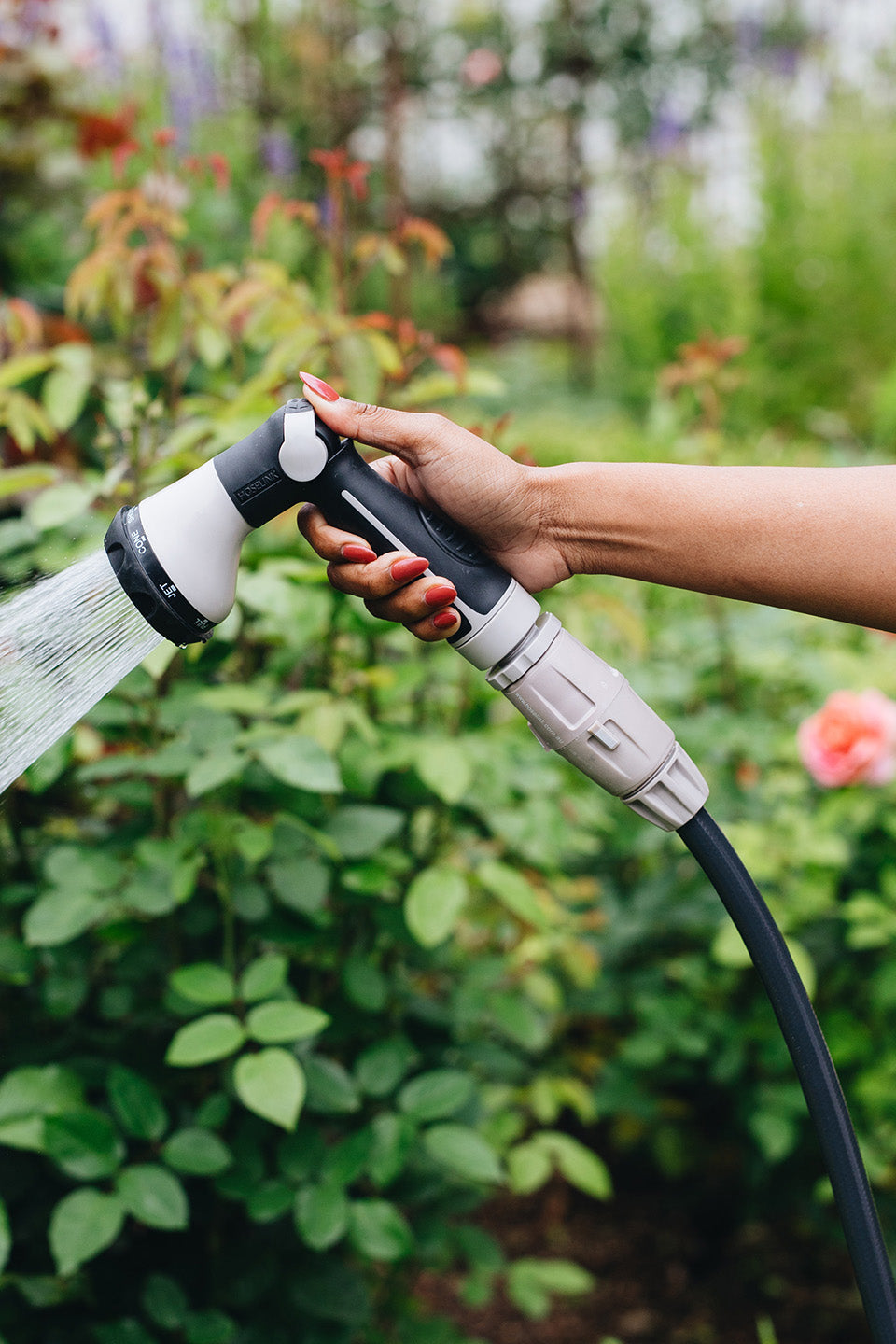
- Set up regular watering. Keep the soil moist but not waterlogged. Having a Retractable Hose Reel mounted nearby makes this daily summer routine incredibly fast and completely kink-free, allowing you to easily reach every courtyard pot without wrestling with tangled hoses.

Frequently Asked Questions
Can dwarf trees survive in pots forever?
Yes, dwarf trees can live their entire lives in pots. However, you will need to repot them every three to four years with fresh premium potting mix to replenish their nutrients and prevent them from becoming root-bound.
How often should I water my dwarf fruit tree in summer?
In an Australian summer, a potted dwarf tree usually requires watering every day or every second day. In garden beds, a deep watering twice a week is generally sufficient. Use a moisture meter or check the soil with your finger before watering.
Do dwarf trees need pruning?
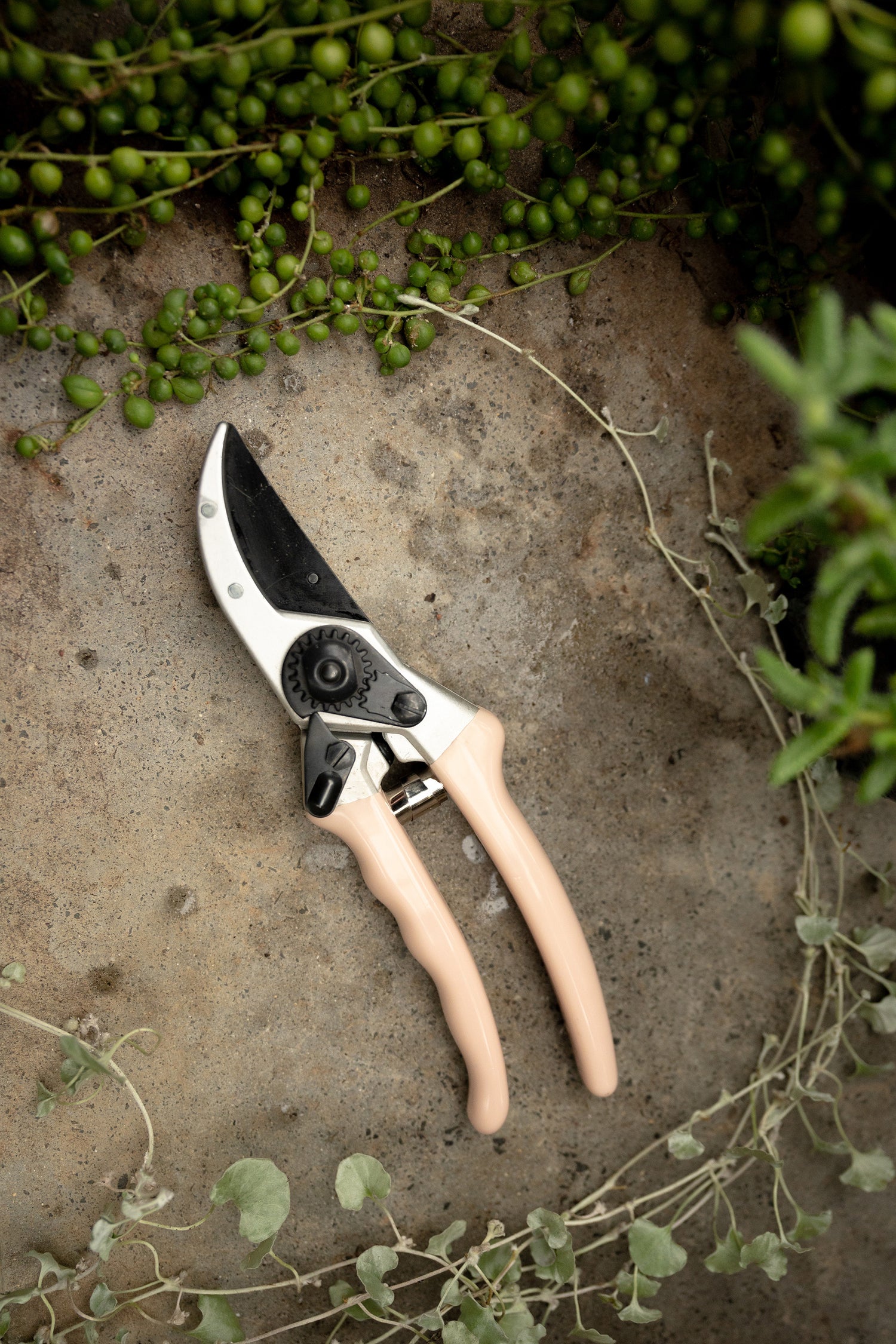
Yes, dwarf trees benefit from an annual prune. You should remove any dead, diseased, or crossing branches to encourage good airflow. Pruning also helps maintain an open, bowl-like shape, which allows sunlight to ripen the fruit evenly.
Will a dwarf tree damage my plumbing pipes?
No, dwarf trees have compact, less aggressive root systems compared to standard trees. This makes them a much safer option for planting near pathways, retaining walls, and underground household plumbing.
Keep your dwarf trees thriving this summer
A consistent watering routine is the secret to a healthy, high-yielding dwarf tree. If you're tired of tripping over messy hoses when watering your courtyard pots, our Retractable Hose Reels are purpose-built to make daily garden care effortless and tidy.