
Whether you are dealing with a light chill or a heavy freeze, preparing your Australian garden is essential. In this guide, we will cover how to identify frost damage, proven prevention methods, and how to properly care for plants if they do get bitten by the cold.
Quick Answer: Most frost damage occurs on clear, still winter nights when cold air settles in low garden spots. Protect vulnerable plants by covering them overnight, watering the soil during the day to retain heat, and applying a seaweed tonic to reduce stress. Never prune frost-damaged leaves until the absolute danger of spring frost has passed.

What are the signs of frost damage on plants?
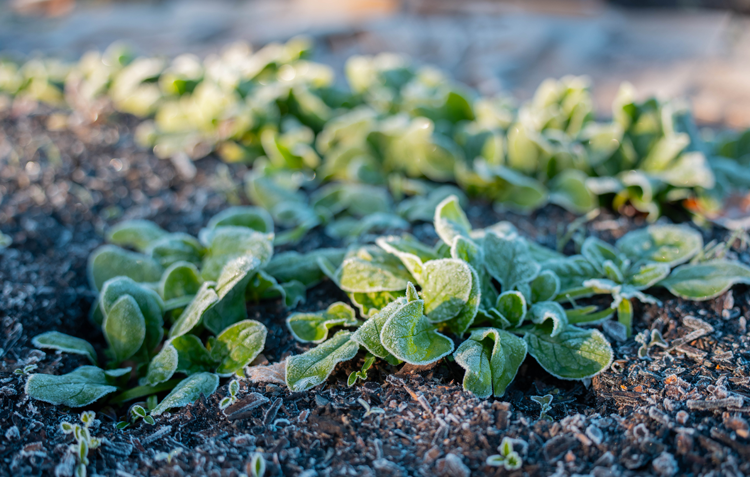
Frost damage typically appears as blackened, mushy, or translucent leaves, wilted stems, or crispy burnt edges. Because the water inside the plant cells expands and bursts when frozen, the plant physically collapses.
Depending on the severity of the cold, you might notice:
- Leaves turning black, dark brown, or translucent.
- Soft, mushy leaves or stems.
- Wilted plants, even if the surrounding soil is moist.
- New growth collapsing overnight.
- Flowers and fruit turning brown and dropping off.
- Citrus leaves curling or dropping entirely after a frost event.
"As a horticulturist, I have a love for plants and an inherent nurturing nature. Giving the garden a little extra care and attention over the winter months is pure joy for me, and spotting these signs early means you can intervene faster." - Ben Hayman, Hoselink Horticulturist.


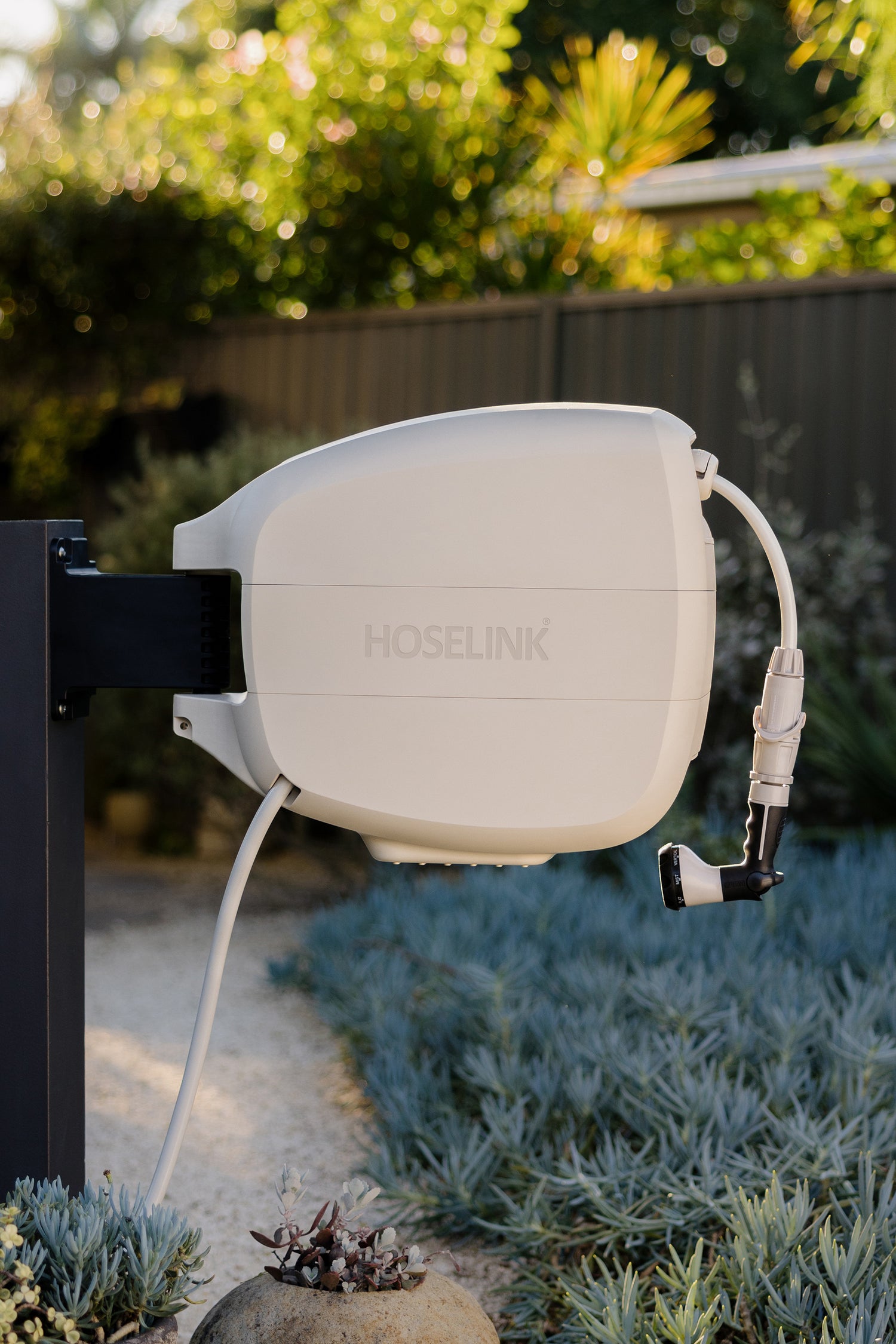
Evolve™ Retractable Hose Reel | Beige
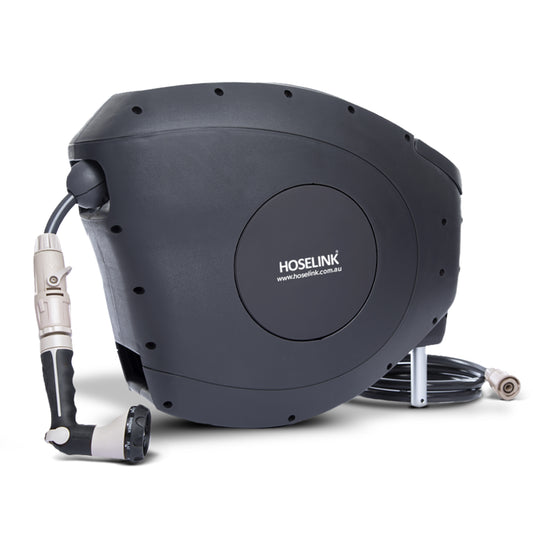
Classic 30m Retractable Hose Reel | Charcoal
Which plants are most vulnerable to frost?
Young seedlings, fresh new growth, and soft leafy plants are far more vulnerable to frost than mature, hardened, or dormant woody shrubs. The cold affects them much faster because their cell walls are delicate and less insulated.
Clear, still nights are usually the highest frost risk because the heat escapes upward overnight. Interestingly, windy nights are often safer than still nights because moving air prevents freezing air from settling. You should also avoid planting sensitive varieties in low spots in your garden; cold air sinks and pools like water, meaning these depressions will always frost first.

How to protect your plants from frost
The most effective way to protect plants from frost is to trap the ground's warmth by covering them before sunset and keeping them healthy with regular seaweed solutions. Stressed plants freeze much easier, so building strong cell walls before winter arrives is your best defence.
Cover plants and trap heat
Cover your vulnerable plants before sunset to trap ground warmth. Use frost cloth instead of plastic where possible because it breathes better. Old bed sheets, doona covers, and towels work perfectly for temporary protection. Try to support the covers with stakes so the fabric doesn’t sit directly on the leaves, and always remember to remove them in the morning so the plant can photosynthesise. For smaller veggie beds, install temporary hoop tunnels or use cloches (cut plastic bottles work well) over individual seedlings.
Adjust your watering routine
Water the soil during the day before a frost because moist soil actually holds heat better than dry soil. While it sounds counterintuitive, the damp earth acts as a thermal mass. You can also mulch around the roots to insulate the warmth of the soil further.
Create warm microclimates
Move potted plants under patios, eaves, against walls, or into the garage overnight. If you have several pots, group them together so they share warmth by creating a mini microclimate. Position your most sensitive plants on the north side of fences or brick walls, which radiate stored heat overnight. Planting windbreaks can also stop icy winds from drying your plants out.
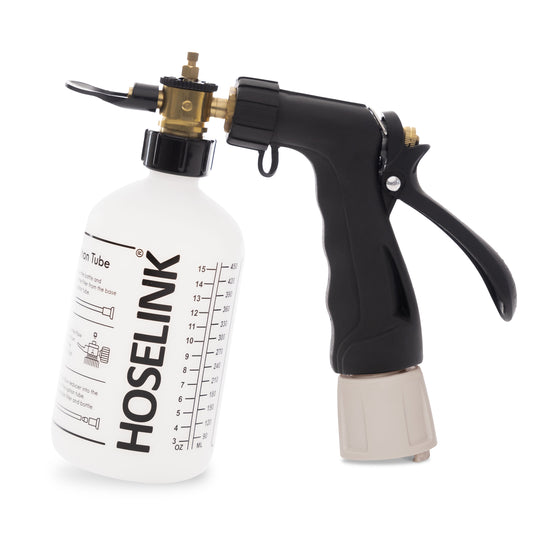
Fertiliser Spray Mixer
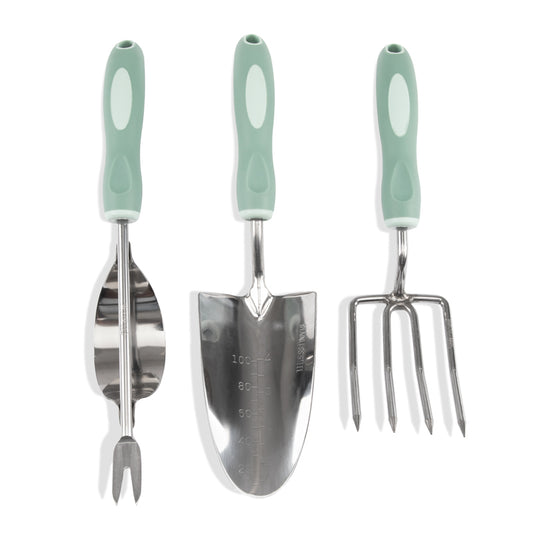
Garden Fork, Trowel and Weeder Set
Common winter frost mistakes to avoid
The biggest mistake gardeners make during a frost is watering the leaves at night, which causes wet foliage to freeze rapidly. When the temperature drops, you need to be careful with how you interact with your garden to avoid sending your plants into further shock.
| What to do | What to avoid |
| Harden seedlings off slowly before planting them outside. | Don't uncover frozen plants immediately at sunrise; they need to gradually adjust. |
| Plant frost-sensitive crops later in the season once danger passes. | Don't fertilise before frost events because soft new growth damages easily. |
| Keep pots elevated on feet or stands to ensure drainage. | Don't let pots sit in trays of icy water. |
| Wait and observe your plants. They may still be alive, just looking dead. | Don't panic and remove plants immediately after a heavy frost. |

What to do after frost damage occurs
Wait a few days before pruning frost-damaged plants, as the burnt and damaged areas actually protect the healthy tissue underneath. Pruning too early exposes fresh cuts to the next cold snap, which can be fatal.
Check if the stems are still green inside by gently scratching the bark with your fingernail. If there is green tissue, the plant is alive. Prune the mushy, damaged growth only once the absolute danger of further frost has passed to prevent rot when the weather warms up.
Immediately after a frost, water with a seaweed tonic rather than a nitrogen fertiliser. Treat the tonic like a medicine for shock, rather than a food to push new growth. Water consistently, avoid waterlogging, and be patient - many plants will miraculously reshoot from lower stems or roots once spring arrives.
"I love cool climates and have lived in them my entire life. They do come with extra challenges, but by doing the few extra winter-proofing jobs, you seem to enjoy your successes a little more." - Ben Hayman, Hoselink Horticulturist.
If you are regularly applying seaweed tonics or watering during the day this winter, having a reliable watering system makes all the difference. Check out our range of Retractable Hose Reels to keep your winter watering quick, tidy, and hassle-free.

Solar Garden Globe | 2 Pack | RADIANCE

Solar Festoon Lights | Starter Set | Warm White | 25 Bulbs | FIESTA
Frequently Asked Questions
Should I water my plants after a frost?
Yes, but do it during the morning or early afternoon so the soil can absorb the warmth of the sun. Avoid watering the foliage directly if another frost is expected that night.
Will a frosted plant recover?
Many frosted plants will recover if their root system and main stems were protected. Wait until spring to see if new green shoots emerge from the base or lower branches before digging the plant up.
Is it better to cover plants with plastic or fabric?
Fabric is always better. Frost cloth, old sheets, and towels allow the plant to breathe and prevent condensation from freezing on the leaves. Plastic traps moisture, which can freeze and cause more damage.
When is the best time to prune frost-damaged leaves?
Do not prune until all danger of frost has passed in your area, usually in early to mid-spring. The dead, crispy leaves act as an insulating blanket for the healthy parts of the plant beneath them.