Growing fruit trees in pots is highly achievable for Australian gardeners if you select dwarf varieties and use premium potting mix. This guide is for courtyard, patio, and balcony gardeners wanting to harvest fresh homegrown fruit. You will learn the best tree varieties, proper planting steps, and essential watering routines to keep your potted orchard thriving.
Quick Answer: To grow fruit trees in pots, choose a dwarf variety and a pot at least 40cm to 50cm wide. Use a premium Australian Standards potting mix for optimal drainage. Water deeply two to three times a week during summer, and feed with a slow-release fertiliser every spring.
Can you really grow fruit trees in pots?
Yes, you can easily grow fruit trees in pots by choosing dwarf varieties that are specifically grafted to stay small. Regular-sized fruit trees will quickly outgrow a container, but dwarfing rootstocks restrict the mature height to around 1.5 to 2 metres. This allows them to thrive in confined spaces while still producing full-sized, delicious fruit.

The best fruit trees for pots in Australia
The best fruit trees for pots in Australia are dwarf citrus, dwarf apples, and patio peaches. These specific varieties adapt beautifully to container life and tolerate the varied Australian climate. Choosing the right tree is the most important step for a successful balcony or courtyard harvest.
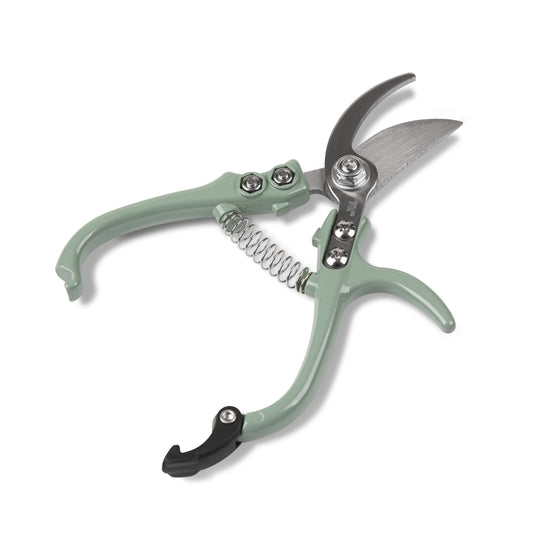
Ratchet Pruners
Citrus trees
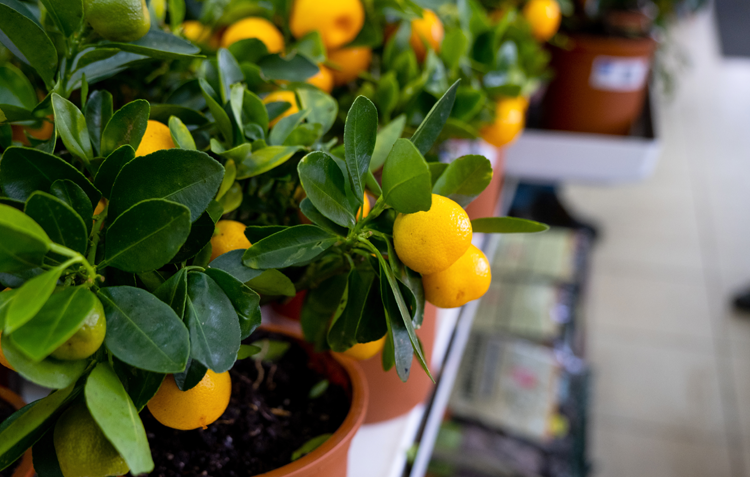
Lemons, limes, and mandarins are the most popular choices for Australian pots. A dwarf Meyer lemon or a Tahitian lime will provide fruit almost year-round in warmer climates. They require plenty of sunshine and excellent drainage to prevent root rot.
Dwarf apples and pears
Apple and pear trees are fantastic for cooler temperate regions. You will need to look for varieties grafted onto dwarfing rootstocks. Keep in mind that many apples require a second tree nearby for cross-pollination, so check if your chosen variety is self-fertile.
Stone fruit
Peaches, nectarines, and apricots can perform brilliantly in pots. Look for specific "patio" or "pixie" varieties at your local nursery. These trees offer beautiful spring blossoms followed by sweet summer fruit.

Choosing the right pot and potting mix
You need a pot that is 40cm to 50cm in diameter with multiple drainage holes, paired with a premium quality potting mix. Standard garden soil will compact in a container, suffocating the roots and preventing proper water absorption. Always look for the red Australian Standards tick when buying potting mix to ensure it has the right balance of nutrients and aeration.
| Pot Material | Pros | Cons | Best For |
|
Terracotta |
Porous and breathable, classic look |
Dries out quickly, very heavy when wet | Mediterranean fruit like olives and citrus |
| Plastic / Resin | Lightweight, retains moisture well | Can degrade in harsh UV sunlight | Sun-drenched balconies and courtyards |
| Glazed Ceramic | Heavy and stable in wind, holds moisture | Hard to move once planted | Permanent patio displays |

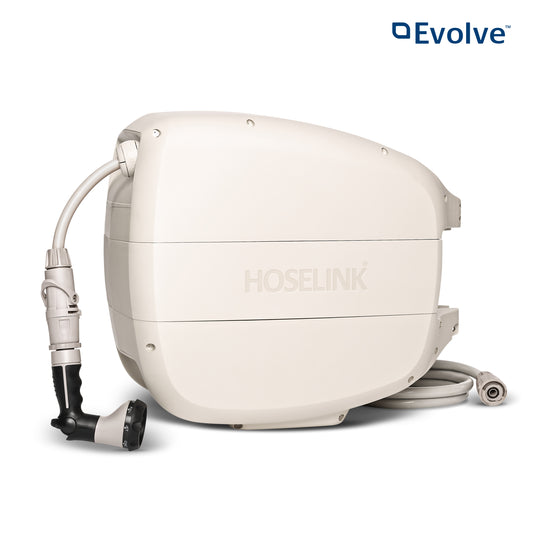
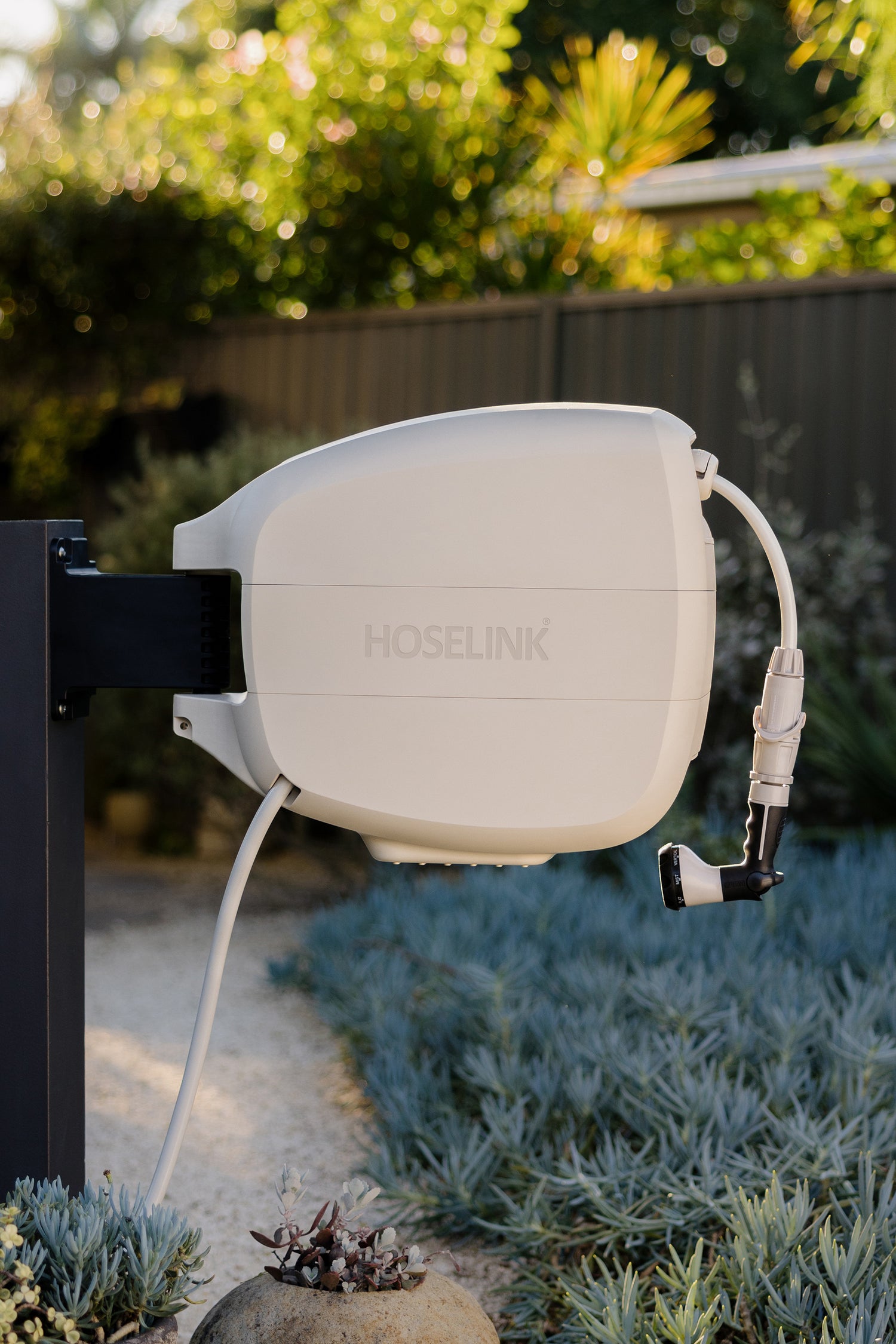
Evolve™ Retractable Hose Reel | Beige
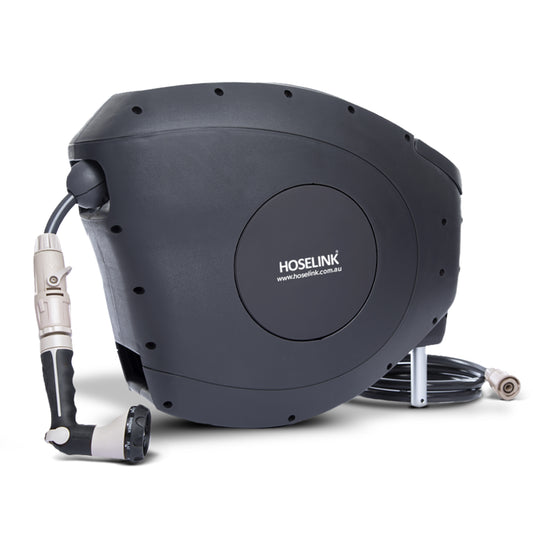
Classic 30m Retractable Hose Reel | Charcoal
How to plant your potted fruit tree
Planting a fruit tree in a pot correctly sets it up for years of healthy growth. Follow these steps to ensure your new tree settles in perfectly.
- Select your location: Choose a sunny spot that receives at least six hours of direct sunlight a day. Move the empty pot into position before you fill it, as it will be heavy.
- Add a drainage layer: Place a small piece of mesh or some broken terracotta over the drainage holes. This stops the potting mix from washing out.
- Partially fill the pot: Add premium potting mix until the pot is about one-third full. Firm it down gently with your hands.
- Position the tree: Remove the tree from its nursery pot and gently tease out the roots. Place it in the centre of your new pot, ensuring the graft union (the bump on the lower trunk) sits above the soil line.
- Backfill and water: Fill the remaining space with potting mix, pressing down lightly. Water thoroughly using a gentle spray setting to settle the soil and remove air pockets.

How often should you water potted fruit trees?
Potted fruit trees generally need deep watering two to three times a week during an Australian summer. According to the Bureau of Meteorology, average summer evaporation rates in many Australian capitals exceed rainfall, making consistent manual watering essential. The exception is during winter, when watering should be reduced to once a week or less.
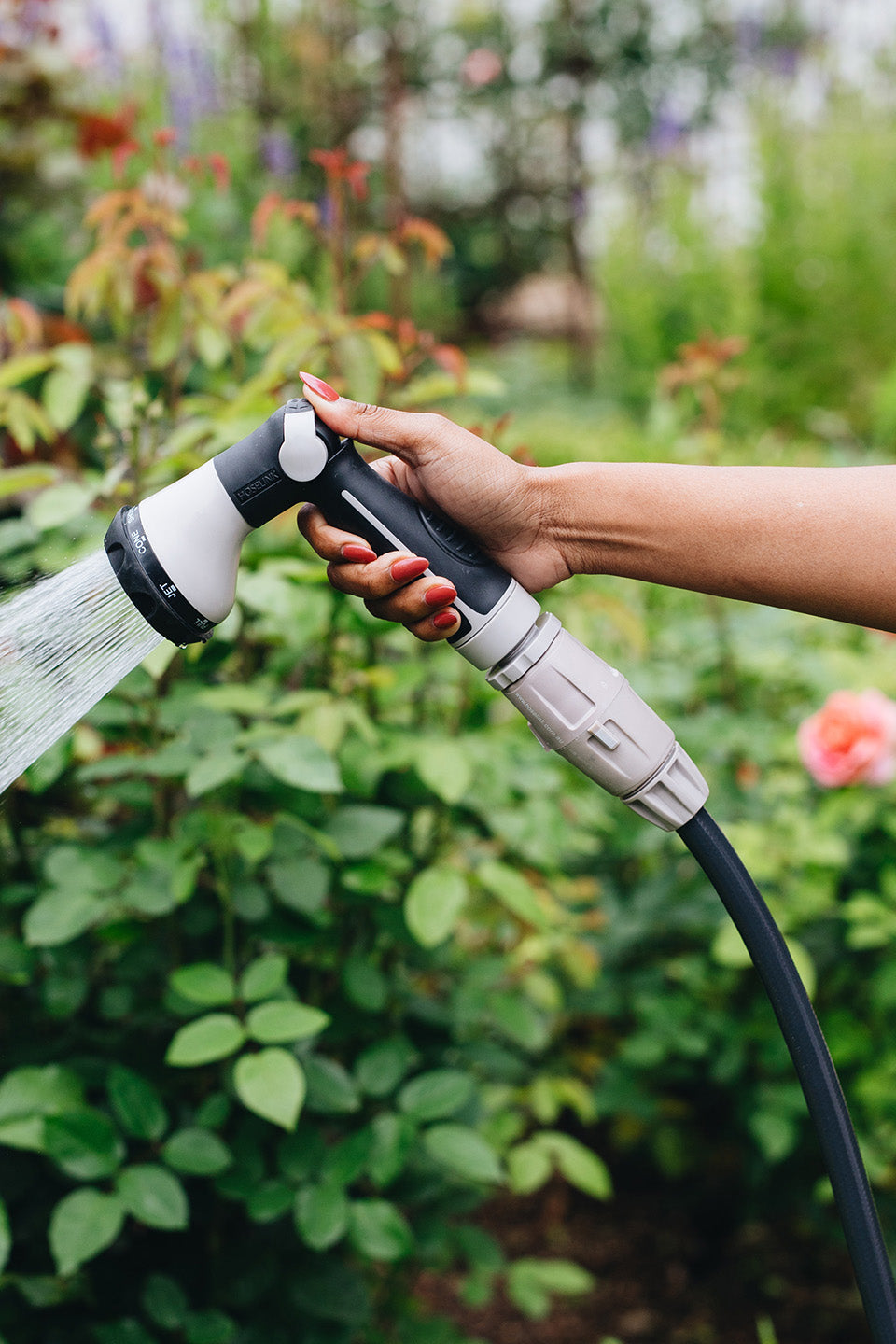
Pots dry out significantly faster than garden beds because their sides are exposed to the ambient air temperature. Using a quality spray wand helps deliver water gently without eroding the topsoil.
To check if your tree needs watering, push your finger into the top 5cm of the potting mix. If it feels completely dry, it is time to water. Setting up a Hoselink Retractable Hose Reel nearby makes this regular task much easier to manage.
Feeding and pruning your potted orchard
Potted fruit trees rely entirely on you for their nutrition because their roots cannot spread out to find food. Apply a slow-release granular fertiliser formulated for fruit and citrus in early spring and again in late summer.
Pruning is equally important to maintain a compact, manageable shape. Prune your deciduous trees (like apples and peaches) in winter while they are dormant. For evergreen citrus, trim them lightly after they finish fruiting to encourage bushy, healthy new growth.

Frequently Asked Questions (FAQ)
What is the easiest fruit to grow in a pot? Dwarf lemons, particularly the Meyer variety, are widely considered the easiest fruit to grow in pots in Australia. They are self-fertile, crop heavily, and adapt well to container life as long as they receive adequate sunlight and consistent watering.
Do potted fruit trees need to be repotted? Yes, most potted fruit trees will need repotting every three to four years. You should remove the tree, trim back about a third of the outer root ball, and replant it in the same pot with fresh premium potting mix to rejuvenate its growth.
Can I use regular garden soil in pots? No, you should never use regular garden soil in pots. Garden soil is too dense and will compact inside a container, leading to poor drainage and suffocated roots. Always use a premium quality, freely draining potting mix.
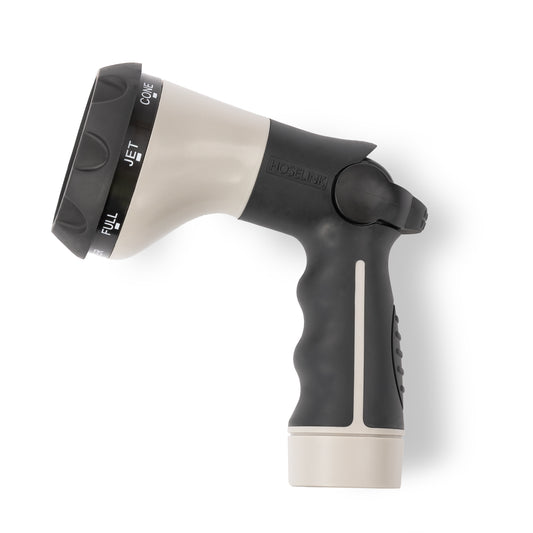
Comfort 8-Pattern Flow Control Sprayer